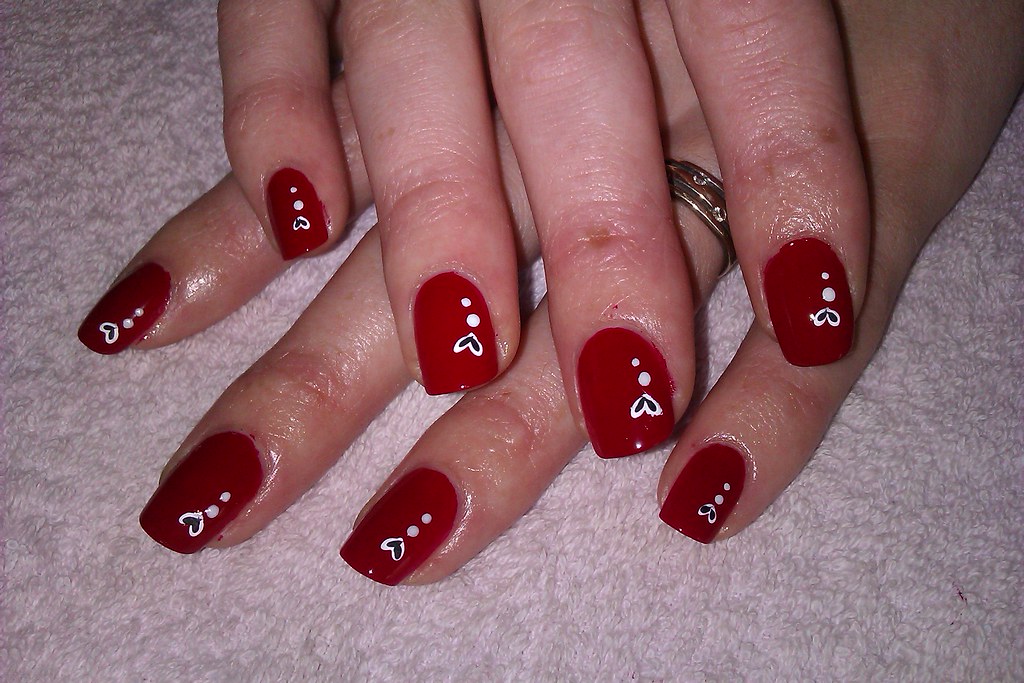
Top Skills Every Successful Nail Technician Should Learn
Scroll through any nail artist’s portfolio — chrome French tips, hand-painted florals, perfect almond structure — and it is tempting to believe the career runs on artistic talent. Ask working technicians what actually fills their books, though, and you will hear something less romantic and more useful: prep, structure, consistency, and clients who feel taken care of. The art sits on top of a craft, and the craft can be learned.
This guide breaks down the skills that separate busy, well-paid nail technicians from struggling ones — technical, artistic, and business — and how each one is actually acquired. Whether you are considering nail technology school or already enrolled, treat this as the map of what to practice on purpose.
The Technical Foundation: Skills That Make Everything Else Possible
1. Impeccable prep and natural nail care
Every experienced educator says a version of the same sentence: enhancements fail at prep, not at application. Proper cuticle work, correct filing that respects the natural nail, dehydration and pH balancing before product — this unglamorous sequence determines whether a set lasts three weeks or lifts in four days. Clients cannot name why one technician’s sets survive vacations and another’s do not; the answer is almost always prep discipline.
Prep also includes knowing when not to proceed. Recognizing fungal involvement, psoriasis, or trauma — and referring instead of covering it — is a licensing-level competency and a trust-builder that clients remember.
2. Product chemistry across the three big systems
Modern nail work runs on three enhancement families, and a professional understands how each cures, wears, and removes:
| System | How it works | Strengths | Watch out for |
|---|---|---|---|
| Acrylic (liquid + powder) | Monomer and polymer cure by chemical reaction at room temperature | Strongest structure; sculpting freedom; cost-effective | Odor; technique-sensitive; over-filing damage during fills |
| Gel (hard and soft) | Cures under UV/LED light | Forgiving working time; glossy finish; gentler removal (soft gel) | Under-curing risks; heat spikes during cure |
| Dip powder | Resin and powder layered, sealed with activator | Speed; durability without lamps | Hygiene demands — never dip a used finger into a shared pot |
The chemistry is not academic. Knowing why a heat spike happens (exothermic cure accelerating in a thick layer) tells you how to prevent it; knowing why lifting happens tells you which step you rushed. School teaches the reactions precisely so that troubleshooting becomes reasoning instead of guessing.
3. Structure: the invisible skill clients feel
A structurally correct nail has an apex placed for strength, a consistent C-curve, and side walls that mirror each other on all ten fingers. Structure is why one technician’s stiletto nails snap in a week and another’s survive typing, parenting, and gym sessions. It is learned slowly, through repetition with an instructor correcting angles you cannot yet see — one of the strongest arguments for quality in-person training over tutorial-only learning.
4. Speed without shortcuts
Working technicians price by the appointment slot, which makes speed a direct income multiplier. A full set in seventy-five minutes instead of two hours is nearly double the earning capacity — but only if quality holds. Speed comes from economy of motion (product picked up correctly the first time), not from skipping steps. Timed practice sets, logged and reviewed, are how students build it deliberately.
5. Sanitation as a reflex, not a checklist
Implement sterilization, surface disinfection between clients, single-use items handled correctly, dust management — this is the most heavily weighted portion of the licensing exam and the fastest way to lose a client’s trust if it ever visibly slips. In strong salons, sanitation is choreography performed in front of the client, and it quietly markets you every single appointment.
The Artistic Layer: Where Books Fill and Prices Rise
6. Design fundamentals before trends
Trends rotate monthly — chrome, aura, 3D charms, velvet cat-eye — but they all sit on a small set of fundamentals: clean lines, color theory, spacing, and steady detail-brush control. Technicians who drill the fundamentals can pick up any trend in an afternoon; technicians who chase trends without them produce work that photographs well once and never again. Practice plan that educators actually recommend: one repeated element (a line, a French smile, a simple flower) across twenty tips, then compare the first and last.
7. Photography and a working portfolio
Nail work is bought with the eyes. Learning to photograph sets — clean background, diffused light, consistent angle, cuticles oiled — is a professional skill on par with filing. From the first month of school, photograph everything; twelve months later you will hold a portfolio that no new competitor can fake, and it becomes your strongest hiring and pricing argument.
The Business Layer: What Turns Skill Into Income
8. Consultation and expectation-setting
The best technicians run a ninety-second consult before touching a file: lifestyle (typing, gym, kids?), nail history (biter? previous damage?), realistic length for the client’s daily life, and budget honesty. Sets designed around real lives last longer, and clients whose expectations were set honestly become the reviewers and referrers every book is built on.
9. Retention machinery
The economics of nails run on the two-to-three-week fill cycle — structurally similar to barbering’s rhythm, as we explore in our barber-versus-cosmetology comparison. A technician who rebooks every client before they leave operates a nearly self-filling calendar; one who says “message me whenever” rebuilds her book every month from scratch. Add reminder texts and a simple booking link, and no-shows drop to noise.
10. Pricing with a spine
Underpricing is the classic new-technician mistake, usually from equating “new to the market” with “worth less per hour than gas station wages” once product costs are subtracted. Learn your real cost per set (product, time, overhead share), price above it, and raise rates on a schedule as your speed and demand grow. Clients leave over vibes far more often than over five-dollar increases.
The Career-Length Skill: Protecting Your Body
Repetitive strain is the quiet career-ender in this field. Ergonomic habits — chair and table height, wrist-neutral filing, grip pressure, stretch breaks between clients — plus ventilation and dust extraction determine whether your hands are still working comfortably at year fifteen. Good schools teach this alongside technique; good technicians actually practice it from day one rather than after the first ache.
How These Skills Actually Get Built
Notice that almost nothing above is innate. Prep discipline, chemistry reasoning, structure, speed, photography, consultation, pricing — each is teachable, and each improves measurably with logged practice. A licensed program compresses the timeline because instructors correct errors you cannot yet perceive, classmates become practice hands, and the clinic floor supplies real clients with real lifestyles to design for. If you are evaluating programs, the same evidence-first checklist from our guide to choosing a beauty school applies to nail courses — pass rates, practice volume, and itemized costs tell the truth that tour-day polish cannot.
A 90-Day Practice Plan for Beginners
Skills lists are only useful if they turn into a schedule, so here is the practice structure instructors recommend to students who want to accelerate — roughly thirty minutes a day outside class time:
- Days 1–30: Prep and shape only. Cuticle work and filing on a practice hand until all ten nails match. Photograph day 1 and day 30; the comparison will shock you.
- Days 31–60: One enhancement system, applied end to end, three times a week — timed. Log each set’s duration and one flaw to fix next time.
- Days 61–90: Add art: one repeated element per week (clean line week, French week, simple floral week) across twenty tips each. Keep photographing everything for the portfolio.
Ninety days of that routine, layered on top of a licensed program, typically puts a student ahead of technicians with a year of unstructured experience. The compounding is real — it just requires the log.
Frequently Asked Questions
How long does it take to become a nail technician?
Most states require 300–600 training hours, which full-time students complete in three to five months — the fastest route to a license in the beauty field. A few states require more; a couple, like Connecticut historically, have required very little, so always check your own state board.
Which should I learn first: acrylic, gel, or dip?
Learn natural-nail prep and structure first — every enhancement system depends on it. After that, most educators suggest mastering one system deeply (often gel, for its forgiving cure time) before adding the others. A technician who does one system excellently out-earns one who does three adequately.
Do nail technicians really need social media?
For independent and artistic work, it functions as your storefront — most new clients will see your feed before your face. For salon employment it is optional but powerful. The bar is lower than people fear: clean photos, consistent posting, and honest captions outperform production value.
How much can a skilled nail technician earn?
Ranges vary enormously with location and model. Salon employees typically earn hourly or commission plus tips; independent technicians with full books and strong art skills price sets well above walk-in rates. The reliable pattern: income tracks retention and rebooking rate more than raw talent.
Is the chemical exposure dangerous?
Managed properly, no — but management is a learned skill. Proper ventilation, dust extraction, correct product handling, and nitrile gloves keep exposure well within safe practice. This is precisely why sanitation and chemistry are core curriculum, not side topics.
The Bottom Line
Successful nail technicians are built from stacked, learnable skills: technical foundations that make sets last, artistic fundamentals that make them photograph, and business habits that make the calendar fill itself. Talent is optional. Deliberate practice is not.
If this is the specialty pulling at you, our nail technology program covers every layer above in a matter of months — or visit the campus clinic and watch students at the tables. You will know quickly whether this is your craft.