Esthetician vs Cosmetologist: Which Career Path Is Right for You?
The question sounds simple — skin or hair? — but people asking it are usually weighing something more practical: which license takes longer, which career pays sooner, and which daily routine they could sustain for a decade. Those are the right questions, and they have concrete answers.
Both professions are licensed, in demand, and genuinely different in training, environment, and economics. This comparison lays out the differences that matter, then gives you a way to test your own instincts.
The Two Careers Side by Side
| Esthetician | Cosmetologist | |
|---|---|---|
| Core focus | Skin health and appearance | Hair, plus foundational skin and nails |
| Typical required hours | 300–750 (600 is common) | 1,000–1,600 |
| Time to license, full-time | 4–6 months | 8–15 months |
| Daily services | Facials, peels, waxing, lash and brow work | Cuts, color, styling, chemical services |
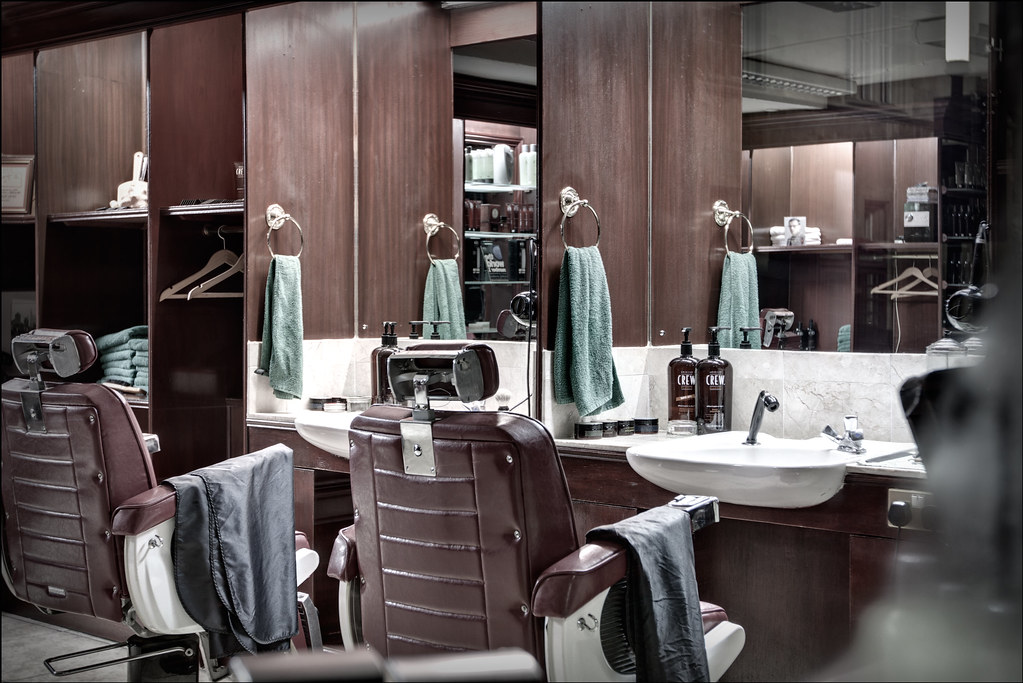
| Usual settings | Day spas, medi-spas, dermatology offices, resorts | Salons, barbershops, freelance and event work |
| Environment | Quiet treatment rooms, one client at a time | Busy salon floor, several clients in rotation |
| Income engine | Treatment series, memberships, retail | Repeat bookings (color every 6–8 weeks), referrals |
| Exam | Written + practical, state board | Written + practical, state board |
Hours vary by state — a few require notably more or less — so verify your own state board’s numbers before planning around these ranges.
What the Work Actually Feels Like
A morning in esthetics
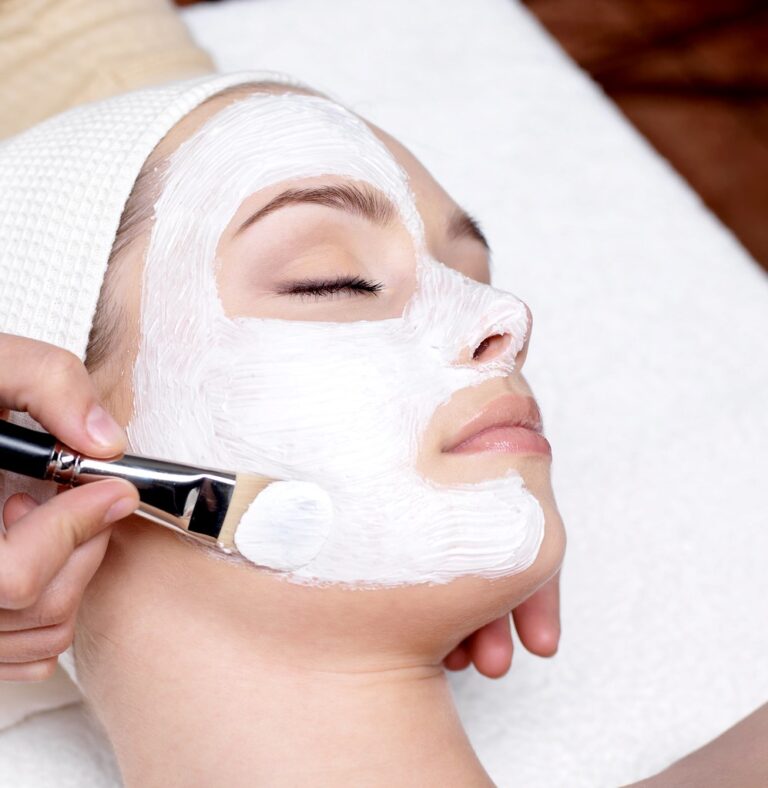
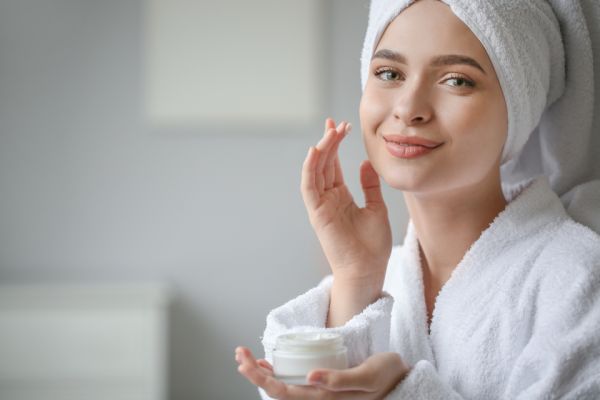
Your first client is a skin analysis: you examine under magnification, ask about routine and medications, and design a treatment plan across several visits. Then a sixty-minute facial in a dim, quiet room — you, one client, and conversation at whatever depth the client wants. Estheticians describe their work as clinical and intimate. If you find calm focus energizing, that is a signal.
A morning in cosmetology
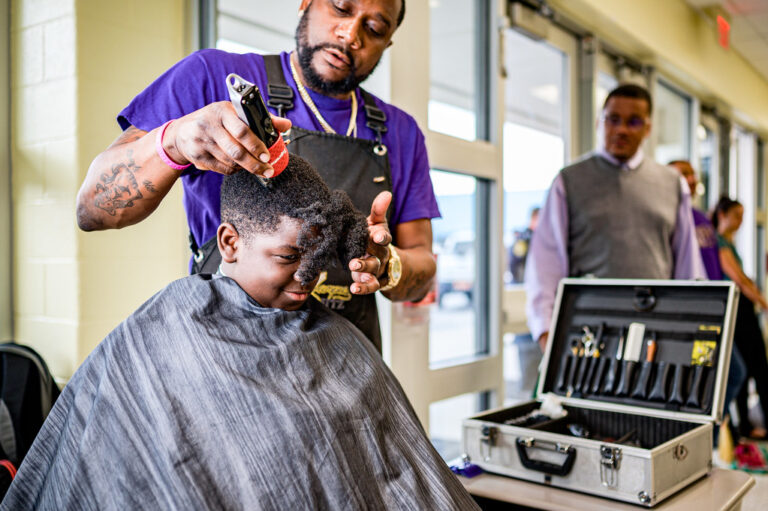
A color client processes while you fit in a quick cut; the front desk squeezes a fringe trim into your gap; three conversations run simultaneously across the salon floor. The environment is social, loud, and fast. Stylists who love it say the energy is the point. People drained by it burn out — regardless of how skilled they are.
This temperament difference predicts satisfaction better than any pay comparison. You can build a strong income in either field; you cannot build one in an environment that exhausts you.
The Economics, Without Spin
Cosmetology takes roughly twice the school time, which means more tuition and more months before earning. In exchange you get the broadest license in beauty — hair, skin basics, and nails — and hair’s built-in repeat cycle: color clients return every six to eight weeks more or less automatically.
Esthetics gets you working in a fraction of the time, and the growth of medical spas has opened roles — laser clinics, dermatology support, injector-adjacent positions — that barely existed fifteen years ago. Advanced treatments generally require additional certification, and in medical settings you work under a provider’s supervision, but the ceiling in medical esthetics has risen sharply.
One more asymmetry worth knowing: waxing, lash, and brow services make excellent standalone specialties, so estheticians can niche down early. Cosmetologists more often generalize first and specialize later.
Scope of Practice: the Legal Line
State law draws hard boundaries between the two licenses. An esthetician cannot cut or color hair — at all. A cosmetologist learns basic facials and hair removal, but advanced skin work (chemical peels beyond superficial depth, many device-based treatments) sits outside the license in most states. The rules exist for safety, and examiners take them seriously. If you want genuine depth on the skin side, the esthetics license is the honest route, not a cosmetology license stretched past its scope.
Four Questions That Usually Settle It
- When you picture a transformation, is it a haircut reveal or cleared-up skin after a treatment series?
- Could you happily hold five casual conversations at once — or does one deep conversation sound better?
- How soon do you need income? Months matter: esthetics licenses arrive roughly twice as fast.
- Does the science pull you? Skin chemistry and product formulation run deeper in esthetics; color theory and structural technique run deeper in hair.
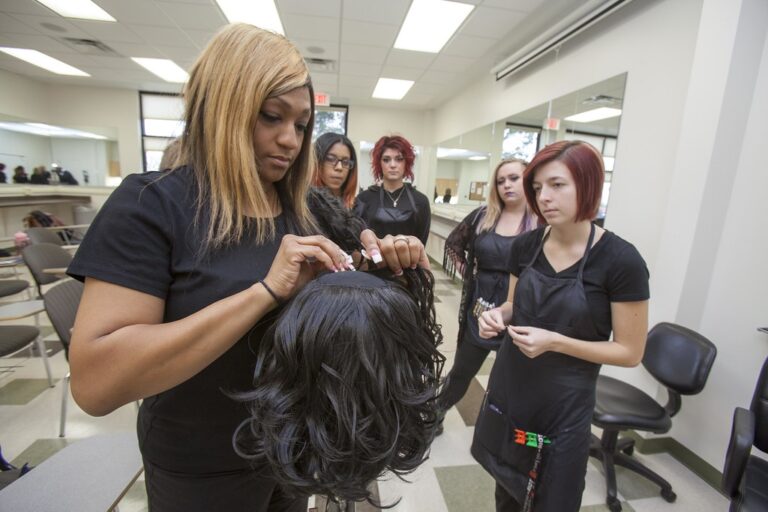
Answer honestly and a front-runner almost always emerges. If it genuinely does not, tour a school and watch both classrooms — the visceral reaction to seeing the work up close settles what lists cannot.
You Can Eventually Hold Both
Dual licensing is common and strategically powerful — a bridal artist who handles hair and skin prep alone books entire wedding parties. But sequence matters for your budget and energy. Most dual-licensed professionals earned one credential, worked until income stabilized, then added the second. Both our esthetics and cosmetology programs regularly enroll students taking exactly that second step.
The Cost Comparison, Line by Line
Because program lengths differ so much, the financial comparison deserves more precision than “esthetics is cheaper.” Here is how the two investments typically stack up for full-time students:
| Esthetics | Cosmetology | |
|---|---|---|
| Tuition range | $4,000–$12,000 | $5,000–$20,000+ |
| Kit and materials | $300–$800 | $500–$1,500 |
| Months before you can earn | 4–6 | 8–15 |
| Exam and license fees | $100–$250 | $100–$300 |
| Opportunity cost (unearned wages during training) | Lower — programs are half as long | Higher — budget for the longer runway |
That last row is the one sticker prices hide. A program that takes twice as long costs twice the forgone income on top of tuition, which is why career changers with bills often start with the shorter license and add the second credential later, once earning. Our guide to choosing a beauty school shows how to get every one of these numbers in writing before you commit.
Licensing Logistics: What Both Paths Share
For all their differences, the two licenses run through the same machinery. Both require graduating from a state-licensed program, both end in a written exam plus (in most states) a practical demonstration, and both weight sanitation procedure heavily enough that disciplined students collect points others leave behind. Both licenses also renew on one-to-two-year cycles, and both transfer between states through reciprocity rules that occasionally demand top-up hours.
The practical consequence: whichever direction you choose, the study habits are identical — mock exams under real conditions, sanitation drilled to reflex, and paperwork filed before your hours finish. The full sequence, from state research to license in hand, is laid out in our step-by-step licensing guide; swap the hour totals and it applies to esthetics almost unchanged.
Where the Two Careers Meet
The comparison frame can hide how often these professions collaborate and blend. Bridal teams routinely pair a stylist and an esthetician across a wedding morning. Salons increasingly add treatment rooms, hiring estheticians so hair clients can book facials in the same visit. Medical spas hire cosmetologists for brow and makeup work alongside their skin staff. And plenty of professionals build hybrid careers deliberately — the dual-license path discussed above, or a specialization that sits near the border, like brow artistry, which both licenses can approach from different angles.
So while the choice matters — training time, money, and daily rhythm all differ — it is a choice of starting point, not a lifetime verdict. The industry rewards range, and the border between hair and skin is where a lot of interesting careers get built.
How to Run Your Own Two-Week Test
If the four questions earlier left you genuinely undecided, borrow the method admissions advisors quietly recommend: run a structured two-week test before enrolling in anything.
- Week one, consume like a student. Watch full-length tutorial content from working professionals in each field — not highlight reels, but real-time services. Notice which one you watch to the end without effort. Boredom is data.
- Book one service in each world. Get a haircut or color at a busy salon and a facial at a spa within the same fortnight. Pay attention to the room, the pace, and the professional’s day — and ask them one honest question about it. Most will tell you more in five minutes than any brochure.
- Shadow if you can. A polite message to a local salon and a spa asking for a two-hour shadow visit succeeds more often than people expect, especially when you mention you are choosing a school.
- Then tour with intent. Visit a campus that trains both and stand in each classroom. By this point you will not be guessing — you will be confirming.
Two weeks of structured looking beats two months of abstract deliberating. And whichever room wins, you will start school with something most first-day students lack: certainty that you are in the right one.
A Note on Titles and Scope Creep
One vocabulary caution as you research: marketing titles multiply faster than licenses do. “Skin therapist,” “beauty therapist,” “master stylist,” and similar phrases are job titles, not credentials — behind each one sits either an esthetics license, a cosmetology license, or in some unfortunate cases, no license at all. When you evaluate schools, employers, or even competitors later in your career, translate every title back to the underlying state license and its legal scope. It keeps your comparisons honest and, once you are working, keeps your own services safely inside the lines your license draws.
What Instructors Notice About Who Chooses What
After years of teaching both tracks, instructors develop an informal pattern-recognition that students find useful to hear. The people who flourish in esthetics often describe themselves as detail-oriented listeners; they like protocols, they enjoy the science of why a treatment works, and they find repeated one-on-one intimacy energizing rather than draining. The people who flourish in cosmetology tend to be visual transformers; they think in shapes and color, they process socially, and they genuinely enjoy holding several threads — two clients, a timer, a walk-in question — at once.
Neither profile is a requirement, and plenty of thriving professionals contradict them. But if one of those paragraphs read like a description of you, weight it. Temperament fit is the quiet variable behind most ten-year careers, and it is the one thing no school can teach into you.
Frequently Asked Questions
Which career earns more?
Neither, categorically. Specialization, location, and client retention dominate earnings in both fields. A booked-solid esthetician in a medical spa out-earns an average stylist; a sought-after colorist out-earns an average esthetician. The license sets the arena, not the income.
Is one harder to learn?
They are difficult in different ways: cosmetology demands more manual dexterity across more service types; esthetics demands deeper science — skin biology, contraindications, product chemistry. Students find the one that matches their interests easier, almost regardless of objective difficulty.
Do estheticians need additional certificates for advanced treatments?
Frequently, yes. Device-based and deeper chemical treatments typically require post-license training, and some sit under medical supervision depending on the state. Reputable employers pay for or subsidize this training more often than people expect.
Can I switch programs after starting?
Usually, and earlier is cheaper. Coursework overlaps most in the first weeks — sanitation, anatomy, client care — so raise the question with your school the moment doubt appears rather than pushing through.
Test Your Instinct in Person
Read every comparison you like — the deciding data point is usually standing in the two rooms. Arrange a tour and see the treatment rooms and the salon floor in the same visit; most people walk out knowing.