How to Choose the Best Beauty School in the United States
Here is a number that should change how you shop for beauty education: the difference in outcomes between a strong school and a weak one — measured in licensing pass rates, time to first job, and early-career income — is far larger than the difference in their tuition. People routinely spend weeks comparing $2,000 price gaps and ten minutes comparing the things that determine whether the whole investment pays off.
This guide flips that ratio. It is a complete, evidence-first method for choosing a beauty school in the United States — the data to demand, the tours to take, the red flags that predict regret, and the tie-breakers that matter when two schools both look good.
Start With Your State, Not With Schools
Every state board publishes its licensing requirements: training hours by program, exam structure, age and education minimums. Twenty minutes on that website gives you the fixed constraints — a school cannot waive state hours no matter how good its marketing is. It also tells you which programs even exist as separate licenses in your state (esthetics, barbering, nail technology, and cosmetology are licensed separately nearly everywhere; hour requirements differ dramatically by track).
If you have not yet settled on a specialty, do that first — the school decision depends on it. Our guides to starting in cosmetology, what esthetics involves, and barbering versus cosmetology each lay out one path honestly.
The Four Numbers That Predict School Quality
1. First-attempt licensing pass rate
The single most revealing statistic a school possesses. Every well-run school tracks it; accredited schools report outcome data as a condition of accreditation. Ask for it directly, and ask how it is calculated — a rate that quietly excludes dropouts flatters itself. National first-attempt rates hover broadly around 60–70% for many state exams; schools that drill exam-style practice consistently beat that, and the good ones will show you.
2. Clinic service volume
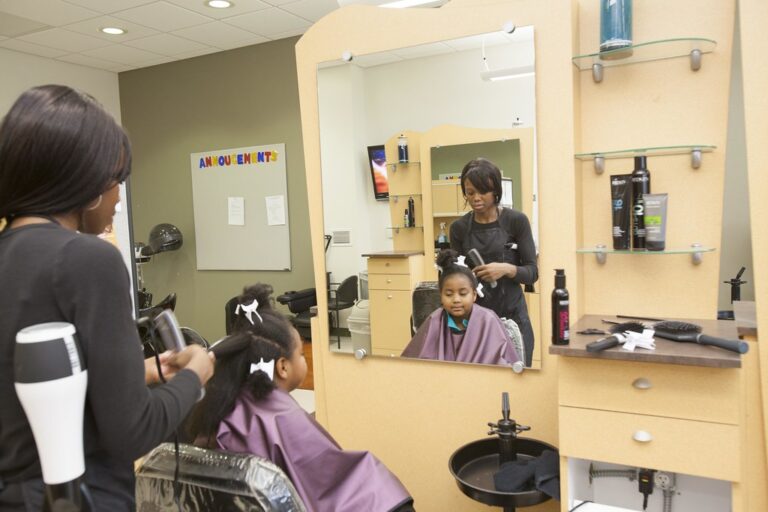
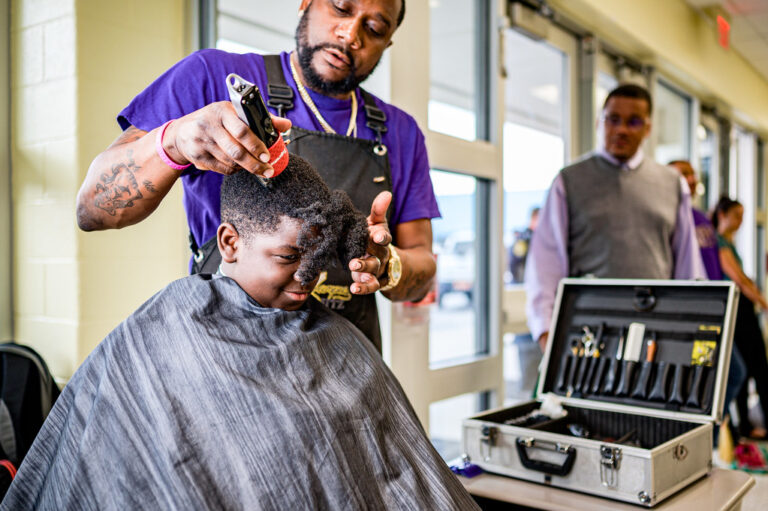
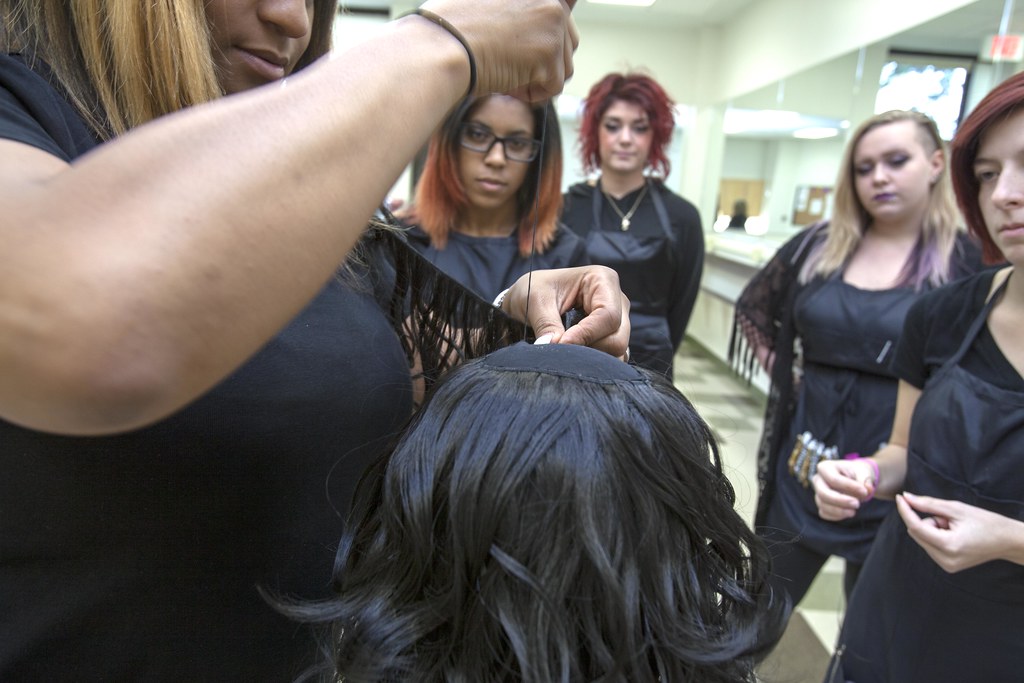
How many services on real, paying clients will you personally log before graduating? This number separates schools that teach from schools that merely host hours. A busy student clinic — walk in and count occupied chairs — means the surrounding community trusts the school and means you will not be learning client conversation for the first time at your first job.
3. Total cost of attendance, itemized, in writing
Tuition is the headline; the real number includes kit, textbooks, lab fees, exam fees, and any hour-makeup charges. Reputable schools hand you this itemized without flinching, along with their refund schedule if you withdraw mid-program (accredited schools must follow published pro-rata refund policies). A low sticker price with reveal-later fees is the oldest trick in trade education.
4. Placement evidence
“Our graduates work everywhere” is not evidence. Named local salons, shops, and spas that have hired graduates — ideally repeatedly — is. Some schools maintain genuine employer relationships and interview pipelines; others print the phrase “career services” in a brochure. The difference shows up in your first sixty days after licensure.
The Tour: How to See Past the Polish
Every admissions tour shows you the same things: clean facilities, friendly staff, the best student work framed in the hallway. Useful signal lives elsewhere. On your visit:
- Stand in the clinic for ten minutes. Count clients, watch instructor supervision, and notice whether students look engaged or parked.
- Talk to current students without staff nearby. Ask what they wish they had known before enrolling. Students are startlingly honest.
- Watch one theory class through the door. Engaged teaching is visible in thirty seconds; so is a proctor reading a phone.
- Ask your four numbers. Pass rate, clinic volume, itemized cost, named employers — and note which answers come easily.
- Visit twice if it is a finalist. The second visit, unannounced on an ordinary weekday, is the honest one.
Red Flags That Reliably Predict Regret
- Same-day enrollment pressure or “today-only” pricing — education does not expire at 5 p.m.
- Evasive answers about pass rates or refund policy — schools with good numbers volunteer them
- A silent, empty student clinic during business hours
- Guarantees of jobs or income — outcomes can be supported, never promised
- Every review five stars and recent, or a pattern of complaints about surprise fees — read the one- and three-star reviews specifically
- High-pressure loan steering toward one private lender without discussing federal aid first
One red flag is a question mark; two is a pattern; three is your answer.
Comparing Two Good Schools: the Tie-Breakers
When finalists both pass the evidence tests, the deciding factors get personal:
| Tie-breaker | Why it matters |
|---|---|
| Schedule fit | A program you can attend without missing hours beats a slightly better one you will struggle to reach — attendance is a licensure requirement, not a preference |
| Distance | Commute burnout is a real dropout cause over an 8–15 month program |
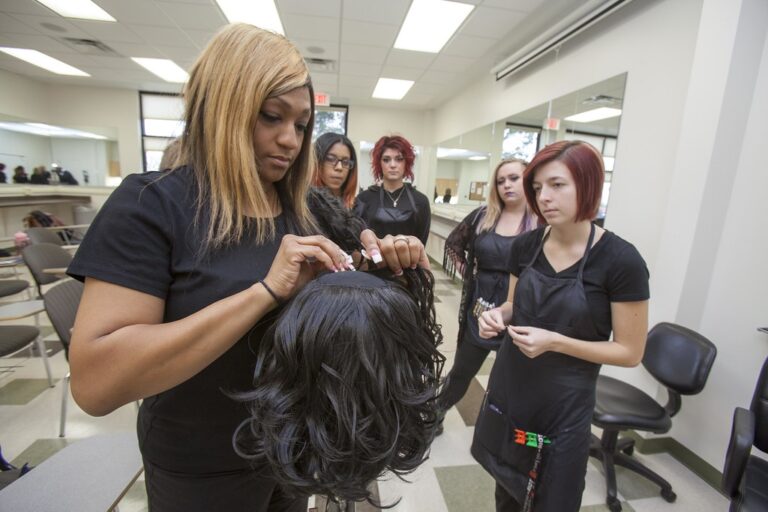
| Class size and mentorship | Ask the student-to-instructor ratio on the practical floor; correction of your hands is the product you are buying |
| Culture | You will spend a year with these people; the cohort that felt like your people probably is |
Cost-per-clinic-service — total cost divided by real client services performed — remains the best single arithmetic for value when you truly cannot decide.
A Worked Example: Two Schools, One Decision
To make the method concrete, here is how the arithmetic plays out with realistic numbers. School A quotes $7,500 all-in and, when pressed, estimates students perform “around 100” clinic services; its admissions rep does not know the first-attempt pass rate offhand. School B quotes $11,000 all-in, publishes an 82% first-attempt pass rate, and shows a service log system where last year’s graduates averaged 350 client services.
Cost per clinic service: $75 at School A, $31 at School B. Add the pass-rate gap — retaking a state exam costs money, months, and momentum — and the “expensive” school is decisively the cheaper path to a working license. This is the calculation the sticker price hides, and it takes five minutes once you have the numbers in writing.
It also illustrates the deeper habit this guide is really teaching: in trade education, always convert prices into outcomes before comparing them. Dollars per service, months to license, graduates per employer — outcomes are the currency; tuition is just the exchange rate.
A Word on Financial Aid Without the Fog
At accredited schools, students who qualify can access federal aid; most schools also offer payment plans, and scholarships in beauty education go chronically under-claimed simply because few people ask. The conversation to insist on — at any school — is the full picture: total cost, aid you specifically qualify for, monthly payment during and after the program, and realistic first-year income in your chosen specialty. A school willing to have that conversation honestly, as our financial aid team does daily, is showing you how it treats students generally.
Frequently Asked Questions
Does it matter if a beauty school is accredited?
Yes, for one huge practical reason: federal financial aid is only available at accredited institutions. Accreditation (through bodies like NACCAS) also signals outside review of the school’s outcomes. A non-accredited school is not automatically bad — but you will pay for it without federal aid, so the rest of its evidence needs to be stronger.
Should I choose the cheapest school?
Choose the best value, which is sometimes the cheapest and sometimes not. Divide total cost of attendance by the number of clinic services you will realistically perform — a $9,000 program with 400 real-client services is a better deal than a $6,000 program with 80. Cheap training that fails to get you licensed and hired is the most expensive option of all.
Is a big-name school better than a local independent one?
Neither category wins by default. Chains offer standardized curriculum and brand recognition; strong independents often offer smaller classes and tighter mentorship. Apply the same tests to both: pass rates, clinic volume, itemized costs, and where graduates actually work.
What if I visit a school and feel pressured to enroll same-day?
Treat urgency as data. “This price is only good today” is a sales tactic, not an education policy, and reputable schools do not need it. Walk out, compare your notes against other schools, and enroll — anywhere — only when the numbers, not the pressure, convince you.
Can I tour a school more than once?
Absolutely, and you should if you are close to deciding. A second visit on a random weekday — not a polished open-house day — shows you the ordinary reality: how full the clinic runs, how instructors interact with students, and whether the energy you felt the first time was real or staged.
The Bottom Line
Choosing a beauty school well is not complicated — it is just specific. Confirm your state’s requirements, demand four numbers from every school (first-attempt pass rate, clinic volume, itemized total cost, named employers), tour with your eyes on the clinic instead of the lobby, and let red flags actually disqualify. Do that, and you will have made a better-informed decision than the majority of students in any enrollment cycle.
We are happy to be measured by our own checklist. Book a tour, bring the four questions, and compare our answers — in writing — against any school on your list. That is exactly how this decision should work.