What Is Esthetics? Everything You Need to Know Before Enrolling
Skin care is having a very public moment — ingredient lists on social media, ten-step routines, medical spas opening in strip malls that used to house video stores. Behind all of it stands a licensed profession most people cannot quite define: esthetics. If you are considering enrolling in a program, this guide explains what the field actually is, what the training covers, and how the career works — including the parts brochures skip.
Esthetics, Defined Properly
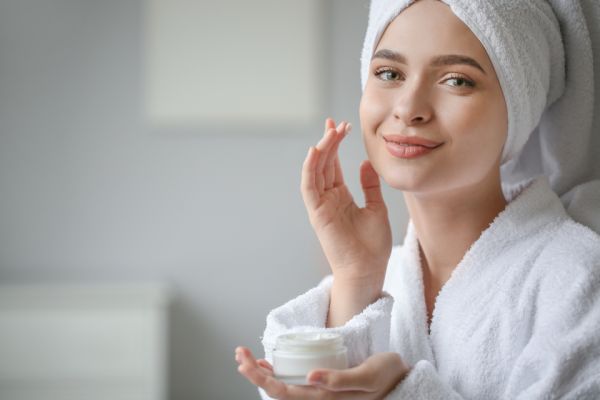
An esthetician is a state-licensed professional who cares for the health and appearance of skin through non-medical treatment. The heart of the work is threefold: analyzing skin accurately, performing treatments that improve it, and teaching clients how to maintain it between visits.
The boundary matters as much as the definition. Estheticians do not diagnose disease, prescribe medication, or perform medical procedures — that is dermatology’s territory. What a well-trained esthetician does instead is subtle and valuable: recognize when a “breakout” is actually something that needs a physician, and refer. Clients rarely see that judgment happening, but it is a core professional skill and a heavily tested one.
What You Would Actually Do All Day
The service menu is wider than the stereotypical facial:
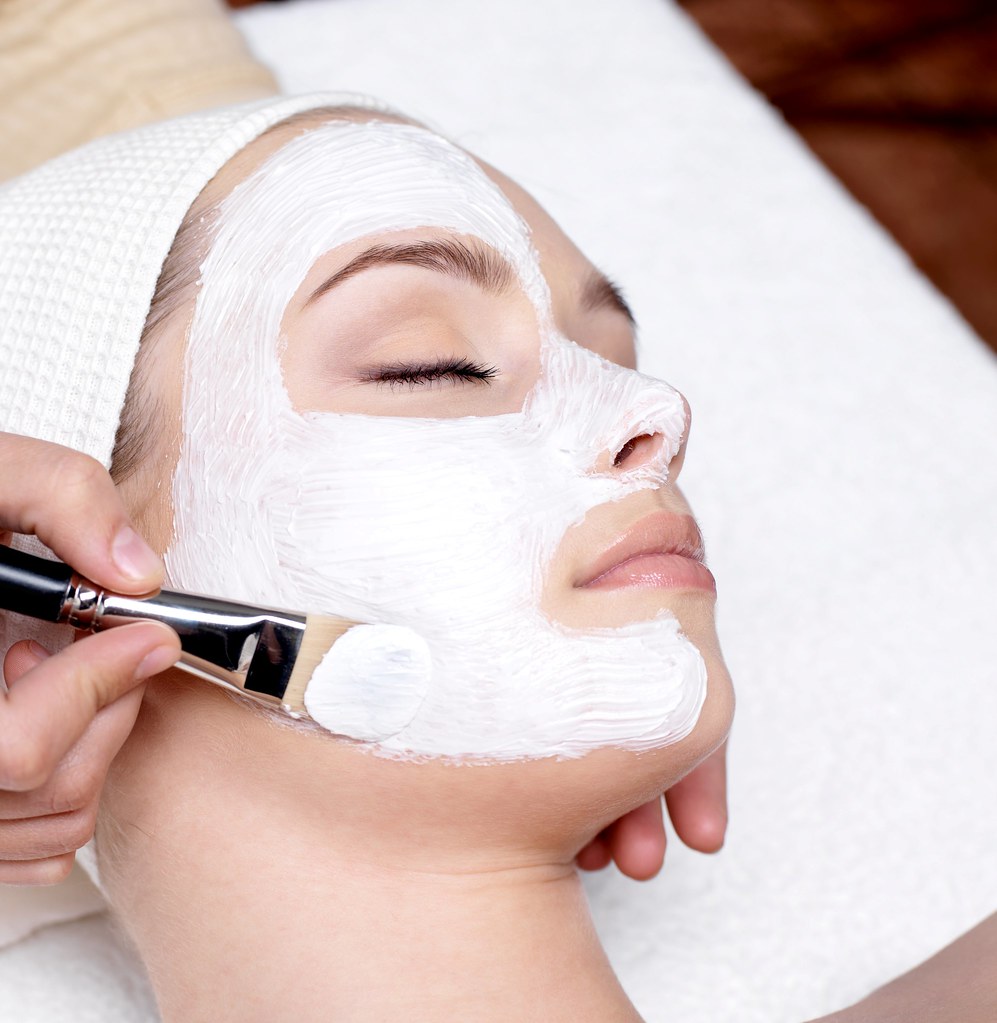
- Skin analysis and facials — cleansing, exfoliation, extractions, masks, and massage, customized to what you observe under magnification
- Chemical exfoliation — superficial peels using alpha- and beta-hydroxy acids; deeper peels belong to medical settings
- Hair removal — waxing, threading, and sugaring; brow shaping alone sustains entire studios
- Lash and brow services — tinting, lifting, and lamination
- Device-based treatments — microdermabrasion, high-frequency, LED; in medical settings and with added certification, laser work under supervision
- Makeup and finishing services — common in bridal and event work
- Home-care coaching — the retail-and-education layer that separates skin professionals from product clerks
Notice the pattern: every service pairs a hands-on technique with a knowledge layer. The knowledge is what clients cannot get from a drugstore aisle, and it is why the license exists.
The Science Under the Surface
Esthetics school is more scientific than people expect. You study skin biology and cell turnover, the Fitzpatrick scale for classifying skin’s response to light and treatment, ingredient chemistry (why retinoids and acids cannot be layered carelessly), bacteriology and sanitation, and — critically — contraindications: the medications, conditions, and recent treatments that make a service unsafe for a particular client on a particular day.
That last category deserves emphasis because it defines professional judgment. A client on isotretinoin cannot be waxed. Pregnancy changes which acids are appropriate. A good program drills these decision rules until they are reflexes, because the practical consequences of getting them wrong land on real faces.
Where Estheticians Work — and How the Settings Differ
| Setting | The work | Pace and pay pattern |
|---|---|---|
| Day spa | Classic facials, waxing, relaxation-focused care | Steady bookings; hourly or commission |
| Medical spa | Advanced treatments beside nurses and physicians | Higher ceilings; often hourly + commission; certification expected |
| Dermatology office | Pre/post-procedure care, clinical support | Most clinical; predictable salary and hours |
| Resort or hotel spa | High-volume treatments for travelers | Tips can be strong; clientele does not repeat |
| Solo studio or suite | Your own menu, brand, and prices | Highest control and highest responsibility |
Many careers move through several rows of that table. A common arc: two years in a day spa building speed, a medical spa role with laser certification, then a solo studio once a personal clientele can support it.
Training and Licensing: the Practical Details
Esthetics requires a state license, earned through a licensed school program and a two-part board exam. Hour requirements run from roughly 300 to 750 depending on the state — 600 is the most common figure — which translates to four to six months of full-time study. A handful of states (Washington, Utah, Virginia, and the District of Columbia among them) also offer a “master esthetician” tier with additional hours and expanded scope.
The licensing exam mirrors cosmetology’s structure: a written test heavy on science and sanitation, and a practical demonstration where process is scored more strictly than polish. Programs that make you narrate contraindication checks out loud during practice are preparing you for exactly how examiners think.
Choosing where to train follows the same evidence-first logic as any beauty program — pass rates, clinic volume, itemized costs. Our guide to choosing the best beauty school applies fully to esthetics programs, including the questions schools hope you will not ask.
How the Money Actually Works
Esthetics income is built differently from hair income, and understanding the difference early shapes a better career. Hair runs on automatic repetition — color grows out every six to eight weeks. Skin runs on programs: a course of six peels, a monthly facial membership, a home-care regimen refreshed quarterly. The professionals who thrive are the ones who can design a treatment plan and explain, without pressure, why the series produces what a single visit cannot.
Retail is the second pillar. Recommending the products you genuinely believe in typically pays commission and — more importantly — improves client results, which drives the referrals that fill books. If recommending products feels uncomfortably like selling, reframe it honestly: prescribing home care is the treatment continuing between appointments.
First-year earnings are modest, as in most licensed trades. The compounding happens through retention: a client on a monthly membership is worth twelve visits a year plus retail plus referrals, and a book of eighty such clients is a strong living.
Who Tends to Thrive in This Field
After watching many cohorts pass through, instructors will tell you the successful pattern looks like this: genuinely curious about the science, comfortable with quiet one-on-one intimacy, meticulous about cleanliness without being told, and patient enough to let results speak over weeks rather than minutes. If that describes you better than the fast, social, many-conversations-at-once energy of a salon floor, esthetics may simply be your native environment.
If you are torn between the two directions, that fork — skin versus hair, treatment room versus salon floor — is exactly what a broader credential decision looks like, and it is worth reading our beginner’s guide to cosmetology to see the other path laid out with the same honesty before you commit either way.
A Working Day, Hour by Hour
Abstractions only go so far, so here is a composite Tuesday from a spa esthetician three years into her career. She arrives at 8:40 to set up: warm towels, sanitized implements laid out, treatment room reset. At 9:00, a new client — full skin analysis under the mag lamp, health intake reviewed for contraindications, then a customized facial with a plan sketched for the next three months. At 10:30, a brow wax and tint; at 11:00, the fourth appointment in a client’s peel series, with before-and-after photos taken for her file.
Lunch, then a lash lift, two more facials, and a fifteen-minute consultation with a teenager and her mother about acne care — mostly education, ending with a referral to a dermatologist for the prescription-level piece. She retails two serums during checkout conversations, rebooks five of seven clients before they leave, and finishes her notes by 5:30.
Nothing in that day is glamorous in the influencer sense. All of it is skilled, personal, and quietly clinical — which is the honest texture of the profession.
Three Myths Worth Clearing Up
- “It is just facials.” Facials are one line on a menu that spans chemical exfoliation, hair removal, lash work, device treatments, and clinical support roles in medical settings.
- “You need perfect skin to be credible.” Clients trust estheticians who understand skin struggles firsthand. Managing your own difficult skin well is better marketing than being born lucky.
- “The career caps out quickly.” The ceiling has moved dramatically — master-level licenses, laser certifications, medical-spa roles, and solo studios have stretched both scope and income far beyond where they sat a generation ago.
Frequently Asked Questions
How long does esthetician school take?
Most states require 300–750 training hours, with 600 being the most common. Full-time students typically finish in four to six months; part-time and evening tracks run nine to twelve. It is one of the fastest licensed careers to enter in the entire beauty and wellness field.
What is the difference between an esthetician and a dermatologist?
A dermatologist is a physician who diagnoses and treats skin disease. An esthetician is a licensed skin care professional who improves the skin’s health and appearance through non-medical treatments — and who is trained to recognize conditions that need referral to a doctor. Good estheticians refer readily; it is a professional strength, not a limitation.
Can estheticians do Botox or fillers?
No. Injectables are medical procedures restricted to licensed medical professionals in every state. Estheticians in medical spas often work alongside injectors — preparing skin, managing aftercare, performing complementary treatments — but the injection itself is outside the esthetics license.
Is esthetics a good career for introverts?
Often, yes. The work happens one-on-one in a quiet treatment room rather than on a busy salon floor, and many clients prefer minimal conversation during treatments. You still need warmth and clear communication during consultations, but the environment rewards calm focus over social stamina.
What does esthetician school cost?
Programs commonly range from about $4,000 to $12,000 depending on region and school type, plus a kit and exam fees. Because programs are shorter than cosmetology, the total investment — and the time before you can earn — is usually significantly lower.
The Bottom Line
Esthetics is the skin-science profession inside the beauty industry: shorter training than most licensed careers, a calm working environment, genuine clinical depth, and a growth path that now stretches into medical settings. It rewards curiosity and precision more than flash — which is exactly why clients trust it.
If the field sounds like a fit, look at how our esthetics program structures those training hours, or arrange a visit and stand in a treatment room during class. Ten minutes of watching a skin analysis will tell you whether this is your profession faster than any article can.