How to Start a Career in Cosmetology: A Complete Beginner’s Guide
Every cosmetologist you have ever admired — the colorist with the months-long waitlist, the stylist whose clients follow them across three salons — started out knowing nothing. Not “a little.” Nothing. That is worth holding onto as you research this career, because the beauty industry does not filter for people born talented. It filters for people who show up, practice, and finish what they start.
This guide covers the full path from curious beginner to working professional: what the job really involves, whether it suits you, what school and licensing require, what it costs, and what the first working years look like. It is longer than a typical overview because the decision deserves more than a summary.
What Cosmetology Actually Covers
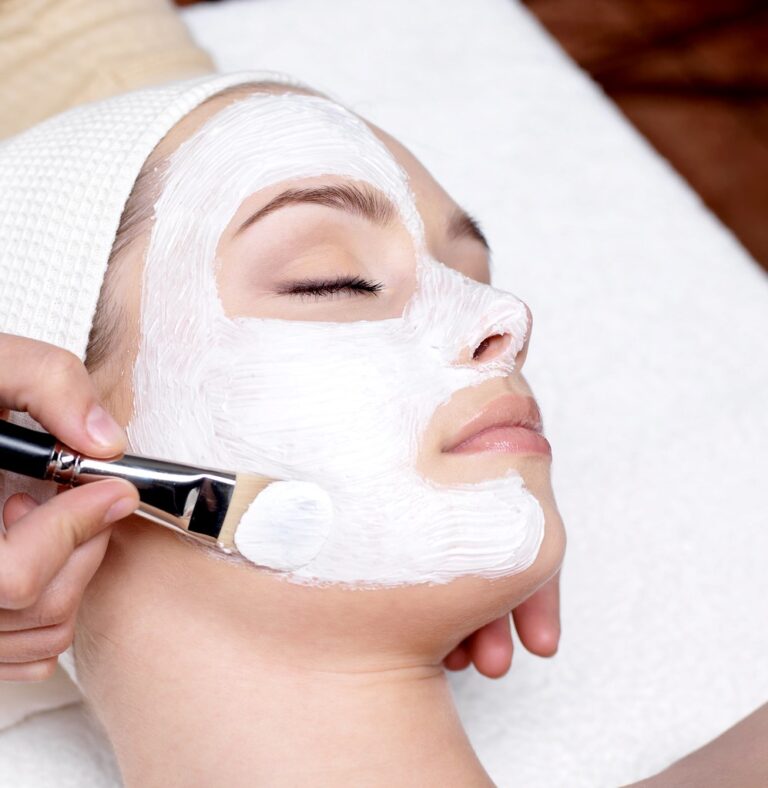
People often use “cosmetologist” and “hairstylist” interchangeably, but the license is broader than the chair. A cosmetology credential trains you across hair cutting and styling, color and chemical services, basic skin care and facials, makeup application, and introductory nail services.
That breadth is the license’s quiet superpower. It means you can start in hair, discover you love skin work, and pivot without going back to square one. It also means a wedding client can hire one professional instead of three. If you already know you want to specialize deeply in skin, though, a dedicated esthetics license is the more direct route — our guide on what esthetics involves explains that fork in detail.
An Honest Self-Assessment Before You Commit
School is a real investment of time and money, so run yourself through the checklist working professionals wish they had seen earlier:
- You will stand for most of the day. Six to eight hours on your feet is standard. Comfortable shoes help; genuine physical stamina helps more.
- The job is half conversation. Clients sit with you for 45 minutes to 3 hours. If sustained friendly conversation drains you completely, a quieter specialty like skin care may fit better.
- Income starts modest and compounds. Your first year is clientele-building. People who need maximum income in month one often struggle; people who can invest a lean year usually pass their peers by year three.
- Repetition is the whole game. You will do hundreds of practice cuts before one paying haircut. Boredom-resistance during fundamentals is a legitimate professional skill.
- Weekends are workdays. Saturdays are the busiest revenue day in nearly every salon. Flexibility comes later, when your book is full and you set your own schedule.
None of these should scare you off — but if two or more made you wince, sit with that before enrolling. The students who drop out mid-program almost always tripped over one of these five, not over the coursework.
A Realistic Day Behind the Chair
Here is what an ordinary Tuesday looks like for a second-year salon stylist: a 9 a.m. color retouch that processes while a 9:45 dry haircut happens in the next chair; a consultation with a new client who brings screenshots (“this exact balayage, please”); lunch eaten standing; two more cuts; a blowout; retail conversations woven throughout, because product recommendations are part of the job and part of the income; and fifteen minutes of cleanup and rebooking before the commute home.
Notice what that day is made of: time management, client psychology, and consistent technique under mild time pressure. The glamorous transformations you see online are real, but they sit on top of that foundation, not instead of it.
What School Involves — Hours, Subjects, and Timelines
Every state licenses cosmetologists, and every state sets its own training-hour requirement — typically between 1,000 and 1,600 hours at a licensed school. Texas and New York sit at 1,000; California moved from 1,600 down to 1,000 in 2022; several states still require 1,500 or more. Your state board’s website lists the exact number.
Inside those hours, expect three layers of learning:
- Theory: chemistry of color and texture services, skin and scalp science, anatomy, and infection control — the material your written licensing exam draws from
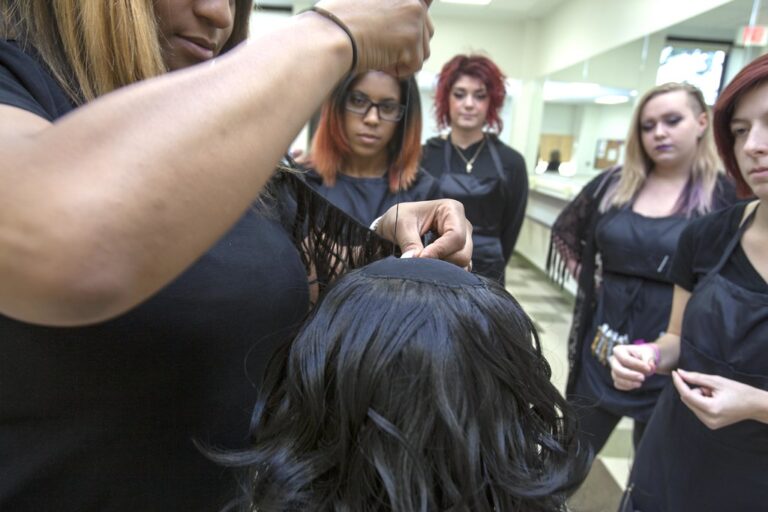
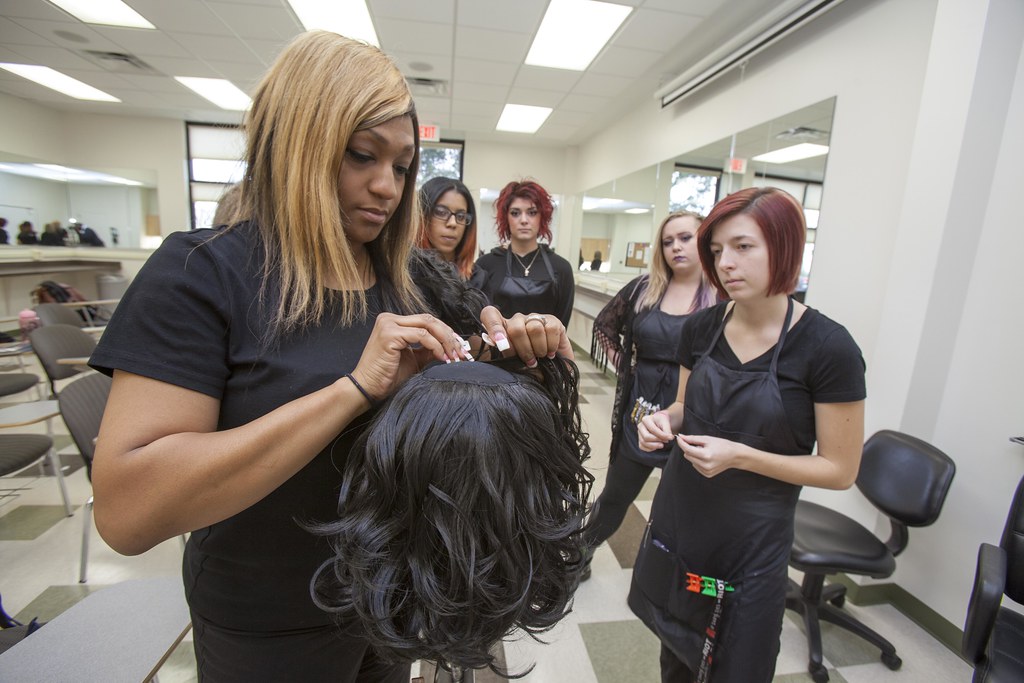
- Practical fundamentals: cutting, coloring, and styling on mannequins, then on classmates, with instructors correcting your hands in real time
- Clinic floor: supervised services on real paying clients, which is where technique turns into confidence
| Your schedule | Weekly commitment | Typical finish time |
|---|---|---|
| Full-time days | 30–35 hrs | 8–12 months |
| Evenings + Saturdays | 15–20 hrs | 18–24 months |
| Hybrid (online theory + campus practical) | 20–25 hrs | 12–18 months |
Choosing the school itself is a separate decision with its own traps — pass rates, clinic volume, cost transparency — and we cover it thoroughly in how to choose the best beauty school. The short version: judge schools on evidence, not on tour-day charm.
The Money: Costs Going In, Income Coming Out
Cosmetology school pricing spans a wide range. Community college programs can cost around $5,000–6,500; private academies more commonly run $10,000–$20,000+. On top of tuition, budget for a professional kit (often $500–$1,500, sometimes bundled), textbooks, and exam fees of roughly $100–$300 across both test sections.
Three ways students realistically cover it: federal financial aid at accredited schools for those who qualify, school payment plans that spread tuition across the program, and scholarships — smaller and less publicized in beauty than in academia, but they exist and go under-claimed. Ask every school you tour what aid its students actually use; vague answers are a red flag.
On the income side, be equally clear-eyed. First-year professionals typically earn modestly — commission on a partially filled book — and income grows as retention grows. The professionals who out-earn the averages share one habit: they treat every client interaction as an audition for the rebooking, not just a service.
Licensing: the Two Exams Between You and Work
After your hours are complete, your state requires a written exam (multiple choice: infection control, chemistry, procedures) and in most states a practical exam, where you perform services on a mannequin while examiners score your process. A detail that surprises people: most practical-exam failures are sanitation-procedure mistakes, not bad haircuts. Schools that drill sanitation from week one are quietly doing exam prep the whole time.
File your exam application before you finish your hours — processing takes weeks, and the gap between graduation and test day is where momentum goes to die. Pass, and your state issues the license that makes every path in this article legal to walk.
Your First Job: Two Doors In
New licensees typically choose between two starting points. An assistant position at a strong salon pays less initially but compresses years of learning into months — you shadow senior stylists, handle color prep, and absorb how a profitable book actually runs. Taking a chair immediately earns commission from day one but leaves you to fill the book yourself.
Neither is wrong. Ambitious learners who can afford a leaner year often assist; those who need income now take the chair and grind. What matters in both cases is the same trio: rebook before the client leaves, photograph your work daily, and stay reachable — a stylist who answers messages within the hour books clients a slower competitor never meets.
Where the Career Goes From Year Three Onward
Once your book fills, options multiply. Specialists (color correction, curly hair, extensions) raise prices as demand concentrates. Booth and suite rental lets established professionals keep everything they earn in exchange for fixed rent. Some move into education, brand work, or salon ownership. And some add a second license — barbering and esthetics are the common pairings; our barber school vs cosmetology school comparison explains how those credentials differ if the clipper side of the industry calls to you.
The point is that cosmetology is not one career. It is an entry credential to a family of careers, and the license never expires as long as you renew it — every one to two years in most states, occasionally with continuing education attached.
Frequently Asked Questions
How long does it take to become a cosmetologist?
Most full-time students finish school in 8 to 15 months, depending on their state’s required hours (typically 1,000–1,600). Add a few weeks for the licensing exam process, and the realistic beginner-to-licensed timeline is about one to one and a half years.
Can I go to cosmetology school while working full-time?
Yes. Most schools offer evening or part-time tracks specifically for working students. Expect the program to take 18–24 months instead of 8–15, and protect your practice time — skill growth tracks hours of repetition, not calendar months.
Do I need to be artistic to succeed in cosmetology?
Creativity helps, but precision and consistency matter more. Most services clients pay for are technical — an even color application, a symmetrical bob — and those are trained skills, not talents. The artistry develops on top of solid technique.
How much does cosmetology school cost?
Community college programs can run around $5,000–6,500; private academies commonly range from $10,000 to $20,000 or more. Always compare total cost of attendance — tuition plus kit, books, and exam fees — rather than the headline price.
Is cosmetology a stable career choice?
Beauty services cannot be outsourced or automated — hair grows regardless of the economy. Individual income depends heavily on clientele-building, but demand for licensed professionals has stayed consistently steady, and the license also opens education, sales, and management roles.
The Bottom Line
Starting a cosmetology career comes down to a sequence anyone can follow: confirm your state’s hour requirement, choose a school on evidence, complete your training with fanatical attendance, pass two exams, and spend a deliberately patient first year building a book. Roughly eighteen months separate a complete beginner from a licensed professional — shorter than nearly any comparable credentialed career.
If you are weighing programs, our cosmetology program page details how we structure training, and a campus visit will tell you more in an hour than another evening of searching. Either way: the professionals you admire all started at zero. The only difference between them and the people still researching is that they enrolled.