Top Career Opportunities After Graduating from Beauty School
Ask ten beauty school graduates where they landed five years after licensing and you will get ten different answers: a colorist with a nine-month waitlist, a barbershop owner with three employees, an esthetician in a dermatology office, a platform artist flying to trade shows. The license is the same. The careers are not.
That range is the industry’s best feature, but it is only useful if you understand how the paths differ — especially how each one pays. So before touring job titles, it helps to understand the economics underneath them.
First, Understand How Beauty Professionals Get Paid
Almost every career below runs on one of four financial models, and the model shapes your income more than the job title does:
| Model | How it works | Best suited to |
|---|---|---|
| Commission employee | The salon takes a percentage of each service you perform; benefits sometimes included | New graduates building a clientele with zero overhead |
| Hourly or salary | Fixed pay, common in spas, medical settings, and chain salons | People who value predictability, or roles like medi-spa esthetics |
| Booth or suite rental | You pay fixed rent, keep everything you earn, and run your own books | Professionals with a full, loyal clientele |
| Independent / freelance | Per-event or per-project pricing; you handle marketing and taxes | Bridal, editorial, mobile, and content-driven work |
The typical arc moves left to right: start on commission while someone else fills your chair, then switch to renting once your own bookings can cover the rent with room to spare. Making that switch too early is the most common financial mistake new professionals make.
Careers Behind the Chair
Salon stylist and colorist
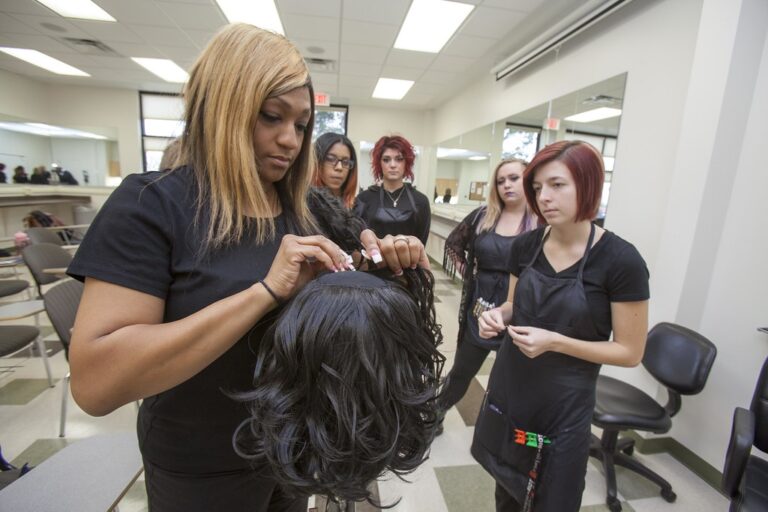
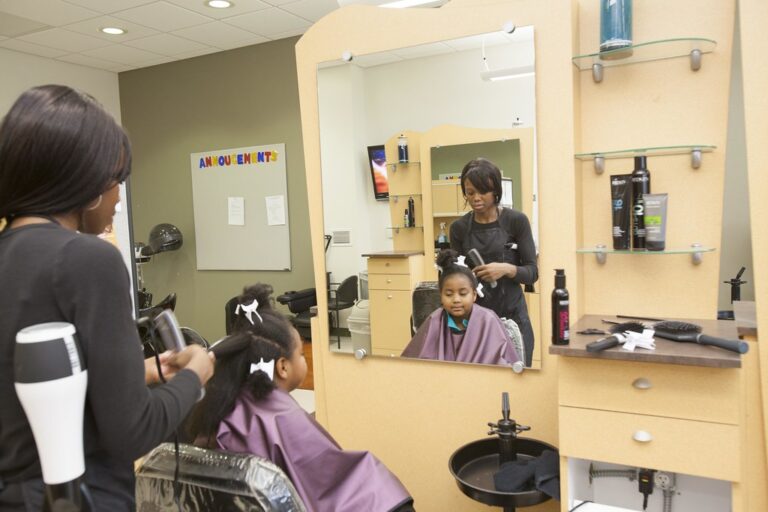
Still the backbone of the industry, and more specialized than outsiders assume. Color is where demand runs deepest — corrective color especially, because undoing a box-dye mistake requires knowledge most hobbyists never acquire. Stylists who develop a niche (curly hair, extensions, blondes) fill their books faster than generalists, since clients search for specialists by name.
Barber
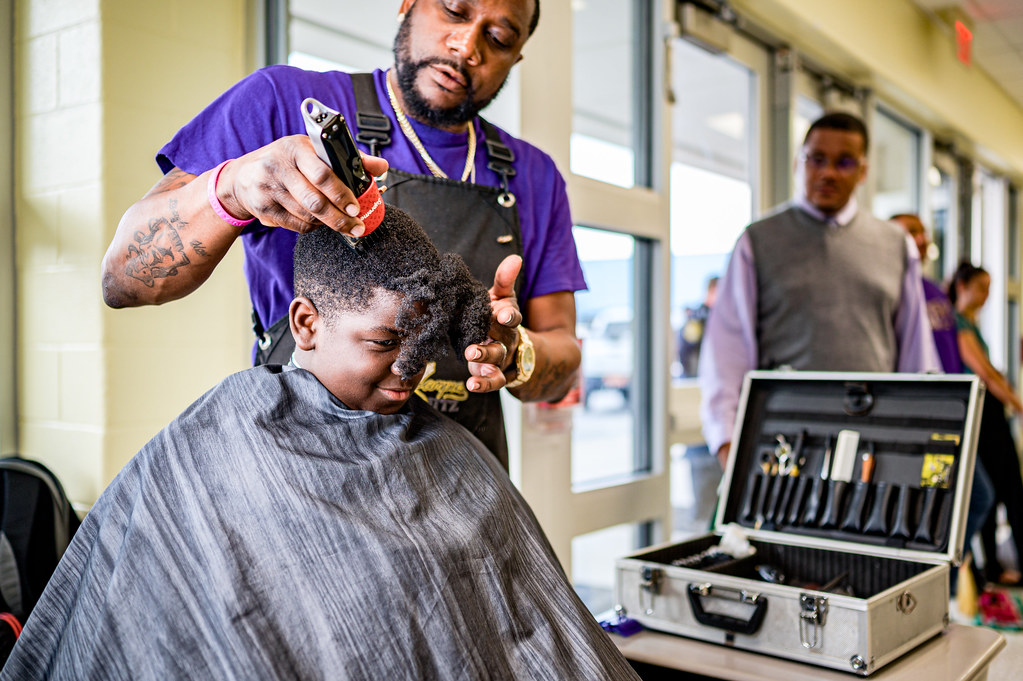
Barbering runs on frequency: a fade needs maintenance every two to four weeks, so a barber with 80 regulars has a nearly self-sustaining schedule. Graduates of our barber program tend to build steady books quickly for exactly this reason. The trade-off is pace — barbering rewards speed and consistency over elaborate transformation work.
Careers in Skin and Nails
Esthetician
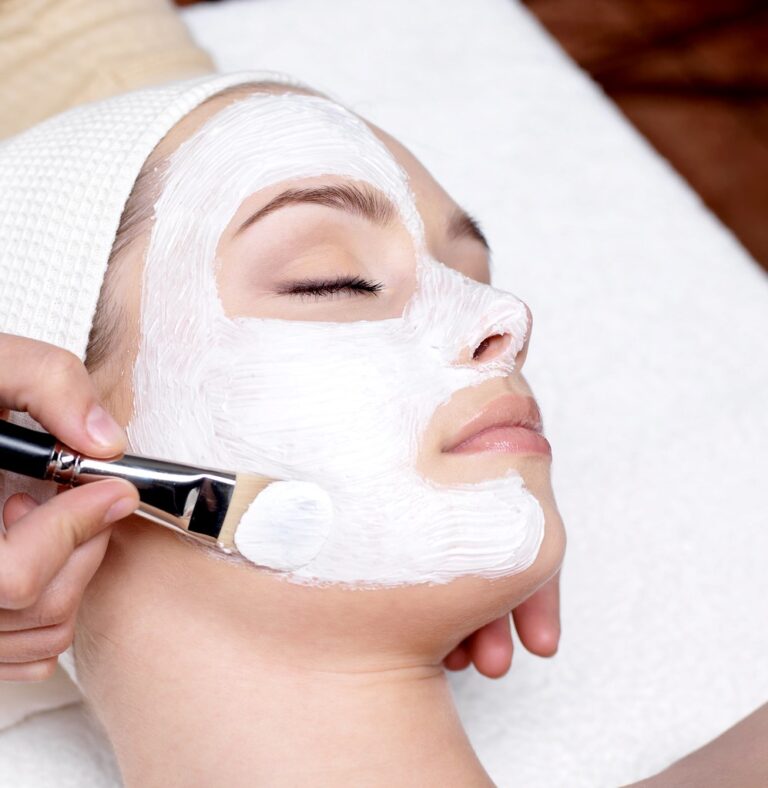
Skin care has grown steadily as medical spas and skin-health clinics have multiplied. Estheticians work in day spas, resorts, and — with additional training — alongside nurses and physicians offering advanced treatments. Income here is built on treatment series and memberships rather than one-off visits, which makes client retention the core skill. Our esthetics program covers the science that separates skin professionals from product sellers.
Nail technician
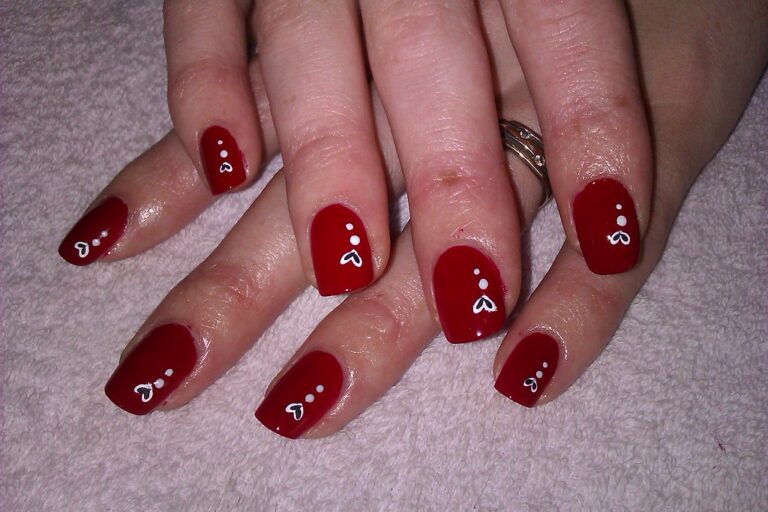
The fastest license to earn and one of the most portfolio-driven specialties in beauty. Skilled nail artists convert social media followings directly into bookings, and a technician who masters enhancements and intricate art can price well above walk-in salon rates. The nail technology program takes months, not years — a realistic on-ramp for career changers who need income sooner.
Careers Away From the Service Floor
A license also unlocks work that does not involve a daily client schedule:
- Educator — teaching at a school or for a product brand; requires experience plus, in many states, an instructor credential
- Brand and sales roles — manufacturers hire licensed professionals as sales reps and product educators because they speak the language of working stylists
- Editorial, film, and bridal — freelance, competitive, and usually entered by assisting established artists; the portfolio is everything
- Ownership — the license plus business skill: lease negotiation, pricing, hiring; most owners rent chairs first to learn the numbers with less risk
What the First Year Really Looks Like
Honesty helps here: most first-year professionals earn modestly while their book fills. The clients are out there, but they belong to someone else until you give them a reason to switch. Three habits shorten this phase considerably:
- Rebook every client before they leave — a “see you in six weeks” doubles retention compared with “hope to see you again”
- Photograph everything from your first month; a year later you will have a portfolio competitors cannot fake
- Learn names, kids’ names, and vacation plans — people return to professionals who remember them, and referrals follow
Professionals who treat year one as an investment period — rather than proof the industry “doesn’t pay” — are usually the ones with waitlists in year four.
Specialization: How Professionals Raise Their Ceiling
Across every path in this article, one lever moves income more reliably than any other: specialization. Generalists compete on availability and price; specialists get searched for by name. The mechanics are worth understanding early.
A specialist narrows the service menu — corrective color only, curly cuts only, intricate nail art, brows and lashes exclusively — and in exchange gains three compounding advantages. Referrals sharpen, because “the person for X” is an easy sentence for clients to say. Skill deepens faster, because a narrow menu means more repetitions of the same demanding work; the skills that make this possible in nails, for instance, are exactly the ones we map in our guide to what successful nail technicians learn. And pricing detaches from the local average, because a client who needs a color correction is comparing specialists, not salons.
The standard advice from working professionals: generalize for your first year or two while you discover what you love and what your market lacks, then narrow deliberately. Specialization chosen too early is a guess; chosen after a thousand clients, it is a strategy.
A Five-Year Path, Mapped Honestly
Careers compound quietly, so here is what deliberate progress commonly looks like — not a promise, but a pattern instructors watch repeat:
| Stage | What is really happening |
|---|---|
| Year 1 | License earned; assisting or building a first book on commission; income modest; portfolio and rebooking habits forming |
| Year 2 | Book approaching full; first price increase; a specialty interest emerging from the work you keep volunteering for |
| Year 3 | Retention carries the calendar; specialization narrows the menu; booth or suite rental becomes arithmetic worth running |
| Year 4 | Independent or senior role; waitlist forms; education, brand, or ownership options start arriving unprompted |
| Year 5 | The fork: scale a personal brand, open a location, teach, or hold a full book with chosen hours — all legitimate wins |
Notice what drives each transition: not talent spikes, but retention math and deliberate choices. The professionals who stall are rarely less skilled — they usually skipped the unglamorous year-one habits the rest of the ladder stands on.
Reading Your Local Market Before You Choose
National demand statements are averages; you will work in one zip code. Before committing to a specialty, spend an afternoon on local research. Count the barbershops, lash studios, and nail salons within fifteen minutes of where you would work — scarcity is opportunity, as our barbering-versus-cosmetology comparison notes about shop-poor neighborhoods. Read local booking pages: services perpetually sold out signal unmet demand. Check which local businesses are hiring on the usual job boards and what they require. One afternoon of this beats any national trend article, including ours — and if skin care keeps surfacing in your research, our explainer on the esthetics profession covers that fast-growing corner in full.
Employee or Independent: the Paperwork Behind the Paycheck
The pay-model table earlier has a legal shadow worth understanding before your first job offer. Commission and hourly roles are employee positions: taxes withheld, sometimes benefits, and the salon carries the overhead. Booth rental and freelance work make you an independent business — you invoice, you track expenses, you pay quarterly estimated taxes, and nobody withholds anything on your behalf.
Neither is better, but confusing them is expensive. New professionals who jump to renting without bookkeeping habits often discover their “higher” income was gross, not net. Before going independent, working professionals recommend three boring prerequisites: three months of expenses saved, a separate business bank account, and a simple expense-tracking habit from day one. The freedom of independence is real; it just arrives with an accounting layer nobody photographs for social media.
Building a Client-Attracting Presence Without Burning Out
Social media appears in every modern beauty-career conversation, usually as pressure. The sustainable version is smaller than people fear. A working portfolio needs three things: consistent photos of real work (not perfection — recency and honesty read better), captions that say what the service was and how to book, and responsiveness in messages, since a fast reply converts a browser into a client more reliably than any editing app.
What it does not need is daily posting, dancing, or a content strategy that competes with your actual craft for energy. The professionals who sustain a presence for years treat it as documentation of work already happening — ten minutes after selected appointments — rather than a second job. Clients are hiring your hands, not your feed; the feed just has to prove your hands exist.
The Careers Hiding Inside Other Careers
One last pattern worth naming: many of the most interesting beauty careers are hybrids that only become visible from inside the industry. A stylist with strong writing becomes the educator who authors a brand’s training curriculum. A barber with a camera habit becomes the shop’s marketing engine and negotiates equity. A nail artist with spreadsheet discipline becomes the suite-studio landlord renting stations to peers. An esthetician who loves systems ends up running operations for a five-location medical spa group.
None of these roles appear on career-day posters, and none require abandoning the chair — they grow alongside it. The license opens the industry’s front door; what compounds afterward is whatever second skill you brought with you or build on purpose. When students ask which specialty to choose, the fuller answer is: choose the specialty that fits your temperament, then keep one deliberate side-skill growing. Five years in, that combination is usually the career.
Frequently Asked Questions
Which specialty is most in demand?
Demand is strong across the board, but it is most visible in color services, barbering, and skin care. Local factors matter too — a town with three barbershops and no lash studio tells you something.
Can I combine licenses?
Yes, and many professionals do. A cosmetologist who adds an esthetics license can serve a wedding party’s hair, makeup, and skin prep alone. Dual licensing usually means additional school hours, which is why it often happens a few years into a career.
Is social media actually necessary?
For freelance and nail work, effectively yes — it functions as your storefront. For salon employment it is optional but powerful: a consistent posting habit fills chairs faster than any paid ad a new stylist could afford.
What if I discover I dislike client work?
Your training still pays off. Education, brand sales, and management all prefer licensed professionals, and those roles reward exactly the technical knowledge school gave you.
Pick a Direction, Then Get the Credential
Every path above starts at the same gate: accredited training and a state license. Compare our four programs, or talk with our admissions team about which one lines up with the career you have in mind.