Why Choose USA Academy Beauty School for Your Beauty Career
Here is an uncomfortable truth about beauty education: two schools can charge the same tuition, advertise the same programs, and produce completely different graduates. One turns out professionals who pass their boards on the first try and walk into salon jobs. The other produces students who finish their hours but still freeze the first time a paying client sits down.
The difference almost never shows up in a brochure. So rather than simply telling you our academy is excellent — every school says that — this article explains what actually separates strong programs from weak ones, and exactly how USA Academy Beauty School approaches each factor. Use it to evaluate us. Use it to evaluate everyone else, too.
Clinic Floor Time Is the Single Best Predictor
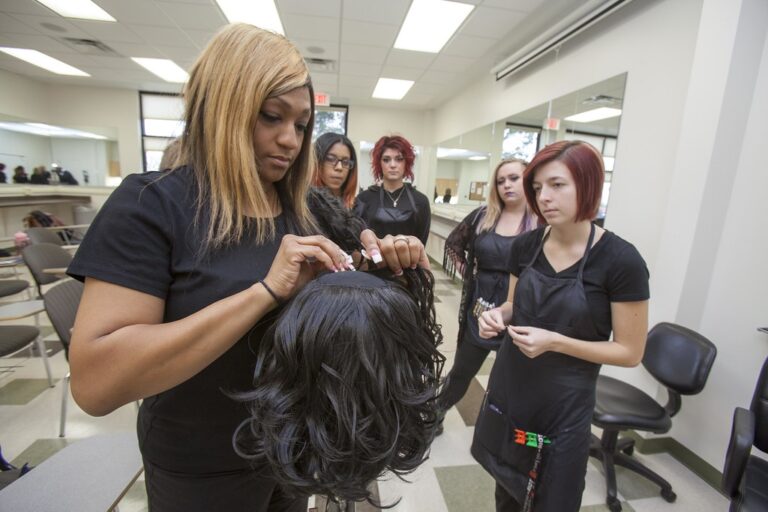
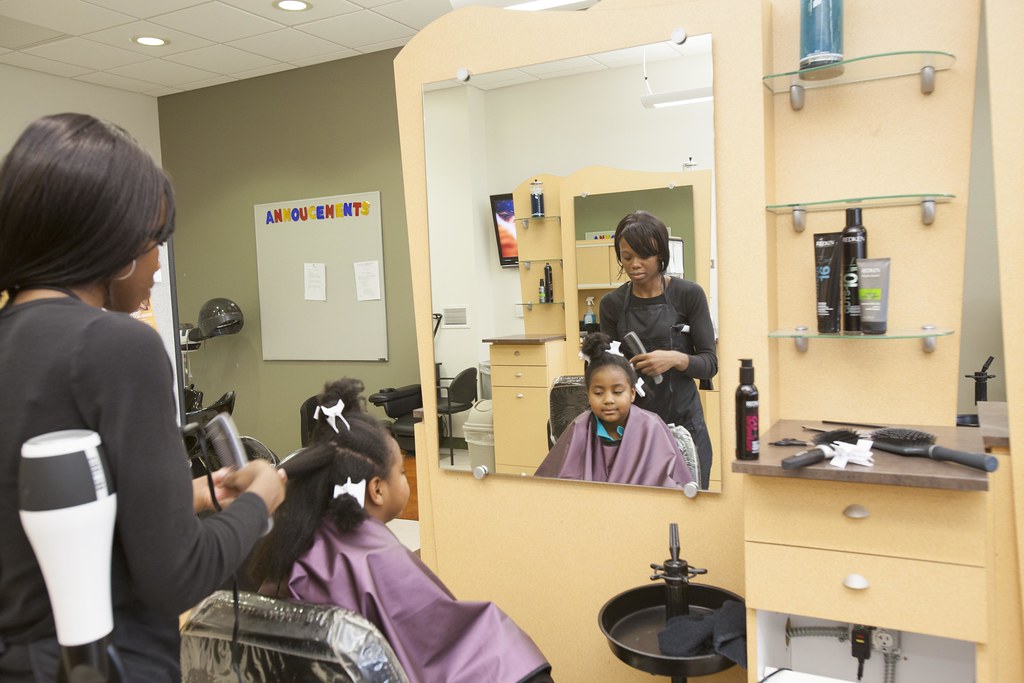
Licensing rules set a minimum number of training hours, but they say very little about how those hours are spent. A student who spends 300 hours on paying clinic guests graduates with something no lecture can provide: the experience of working on a stranger who has an opinion about the result.
Real clients arrive late. They bring photos of unrealistic haircuts. They have cowlicks, sensitive skin, and bitten-down nails. Learning to handle all of that while an instructor watches — and can step in — is the entire point of attending school rather than watching tutorials.
When you tour any campus, stand in the clinic for five minutes. Count the occupied chairs. A busy student clinic means the community trusts the school and, more importantly, that you will not spend month six still practicing on plastic.
Instructors: Ask When They Last Worked Behind a Chair
A license to teach is not the same as current industry knowledge. Color formulation, texture services, and men’s grooming have all changed noticeably in the past five years, and clients ask for what they see on social media, not what was fashionable when a textbook was printed.
Our instructors are licensed professionals with recent salon, barbershop, and spa experience, and we keep classes small enough that they know each student’s weak spots by name. That matters more than it sounds: the fastest way to improve is an instructor who watches your hands, not just your results.
The Questions Schools Hope You Won’t Ask
Any admissions office can be charming. The quality of the answers below is a better signal than the friendliness of the person giving them.
| Ask this | A good answer sounds like | Be cautious if you hear |
|---|---|---|
| What is your first-attempt state board pass rate? | A specific number, offered without hesitation | “Most students do fine” with no data |
| How many clinic services will I complete? | A count or log system they can show you | “It varies” with no tracking |
| What does the quoted price include? | Tuition, kit, books, and exam fees itemized in writing | A low headline price with add-ons revealed later |
| What happens if I miss hours? | A clear make-up policy with costs stated upfront | Vague reassurance |
| Who hires your graduates? | Named local salons, shops, and spas | “Our students work everywhere” |
We put these answers in writing during enrollment, because a school that documents its promises is a school you can hold to them.
Four Programs, One Standard
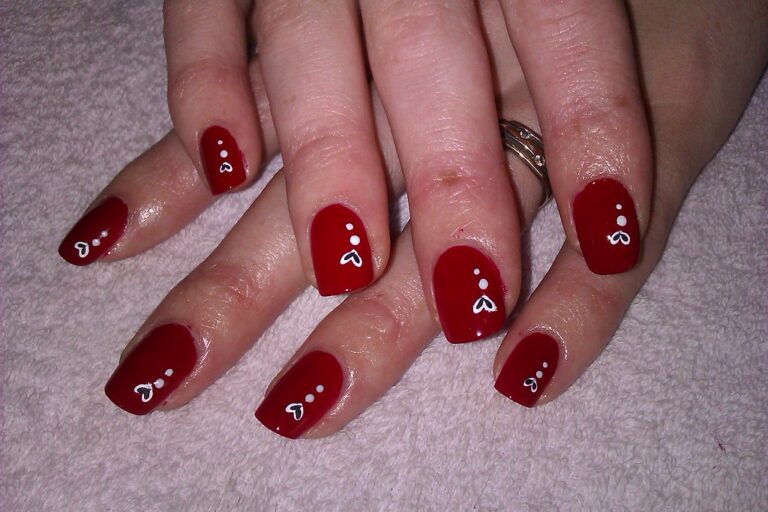
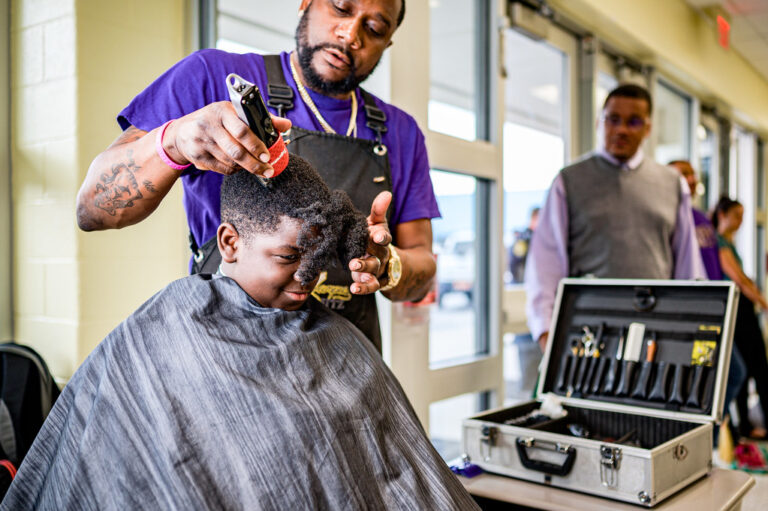
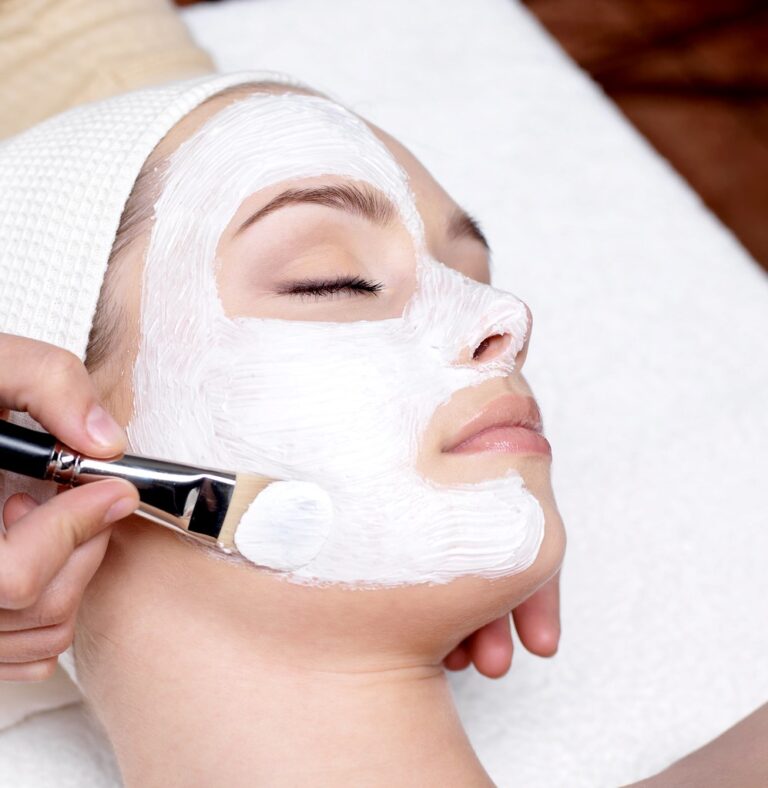
USA Academy trains in cosmetology, barbering, esthetics, and nail technology. The curricula differ, but every program follows the same progression: fundamentals on mannequins, supervised practice on classmates, then real services in the student clinic once your technique earns it.
Exam preparation is threaded through all four rather than crammed into the final month. Students take written mock tests under timed conditions and practical mock boards scored the way state examiners score — sanitation first, because that is where most exam points are quietly lost.
The Money Conversation, Had Honestly
Beauty school is a real financial commitment, and pretending otherwise helps no one. Before you sign anything — here or elsewhere — you should understand three numbers: the full cost of attendance, what you will realistically earn in your first year, and how long the gap takes to close. Our financial aid advisors walk through all three, including payment plans and aid options for students who qualify.
One practical tip that applies at any school: ask how tuition is refunded if you withdraw mid-program. Reputable schools follow a published pro-rata schedule. Evasiveness on this question is worth taking seriously.
What Support Looks Like After Your Last Class
The weeks between finishing hours and starting work are where new graduates lose momentum. We schedule board exam applications before students leave, help assemble portfolios from clinic work photographed along the way, and connect graduates with local employers who have hired from us before. None of this guarantees a job — anyone who promises that is overselling — but it shortens the distance between license and paycheck.
What Accreditation Actually Means for You
Accreditation gets mentioned in every school brochure and explained in almost none of them. Here is the plain version: accrediting bodies such as NACCAS review schools from the outside — auditing their licensure pass rates, graduation rates, and job placement outcomes on a recurring cycle. A school that holds accreditation has agreed to be measured, publicly and repeatedly.
For students, that produces two concrete benefits. First, federal financial aid is only available at accredited institutions, which can change the affordability equation entirely. Second, accredited schools must follow published refund policies, so the money conversation happens on documented terms rather than goodwill. When you compare schools, asking “are you accredited, and by whom?” is a thirty-second question that filters the field fast — we walk through the full comparison method in our guide to choosing the best beauty school.
From First Tour to First License: a Realistic Timeline
Prospective students often ask how long the whole journey takes — not just the classroom hours, but everything. Here is the honest calendar for a typical full-time student:
| Stage | Typical duration | What happens |
|---|---|---|
| Research and tours | 2–6 weeks | Visit schools, compare numbers, review costs in writing |
| Enrollment and start date | 2–8 weeks | Application, financial planning, waiting for the next class start |
| Training hours | 4–15 months | Varies by program: nails and esthetics are shortest, cosmetology longest |
| Exam application and scheduling | 3–6 weeks | File paperwork before finishing hours to avoid idle time |
| Written and practical exams | 1–2 weeks | Both sections, sometimes on different dates |
| License issued | 1–4 weeks | State processing; you may work in some roles while it finalizes |
Add it up and the realistic span from first campus tour to license in hand runs about eight months to a year and a half depending on the program — details we break down step by step in our beginner’s guide to a cosmetology career. Knowing the full calendar up front is the difference between a plan and a hope.
How Scheduling and Class Size Actually Work Here
Two structural details shape a student’s daily experience more than any curriculum document: when classes run and how many people share an instructor.
We run day and evening tracks because a large share of our students work while training — the schedule question is usually the single biggest factor in whether someone can enroll at all. And we deliberately cap practical-floor class sizes, because hands-on correction is the product a beauty school sells. An instructor who can stand behind you, watch your sectioning, and fix your elevation angle in the moment is worth more than any video library. When you tour any school — including ours — ask what the student-to-instructor ratio looks like on the practical floor on an ordinary Tuesday, not on orientation day.
Where to Go Deeper Before You Decide
Choosing a school is one decision inside a bigger one: choosing a specialty. If you are still weighing directions, our comparisons of barbering versus cosmetology and our plain-language explainer on what estheticians actually do lay out the daily realities of each path. Read those first, and the school question gets much easier — you will know exactly which program’s classrooms to stand in when you visit.
The Questions We Ask You
Evaluation runs both directions, and it should. During enrollment conversations we ask prospective students about their schedule realities, income needs during training, transportation, and what specialty genuinely interests them — not to screen anyone out, but because mismatches discovered in week one are expensive for the student, and mismatches discovered before enrollment cost nothing.
A student who needs full-time income immediately may be better served by our shortest program now and a longer license later. A student whose real fascination is skin should not be talked into the broadest program simply because it is the biggest sale. If a school’s admissions process never asks you a hard question, notice that: an enrollment conversation with no friction is a transaction, not advice.
A Note on Placement Claims — Ours and Everyone’s
You will encounter schools advertising placement rates that sound like guarantees. Read them the way an accreditor would: placement statistics depend entirely on how “placed” is defined — any beauty-adjacent job? full-time behind a chair? still employed at six months? Honest schools define the term, state the measurement window, and admit the number moves year to year.
What we commit to is the machinery rather than a percentage: portfolio help assembled from clinic work, exam paperwork filed before graduation, interview preparation, and introductions to local employers who have hired our graduates before. Machinery you can verify on a tour; a percentage you cannot. That distinction — verifiable process over polished claims — is the single best habit to carry into every school comparison you make.
Frequently Asked Questions
Do I need any experience before enrolling?
No. Programs assume you are starting from zero. Curiosity and consistent attendance matter far more than existing skill — attendance especially, since your hours are a legal requirement for licensure.
Can I visit before applying?
Please do. A tour costs you an hour and tells you more than any website. Watch a class, sit in the clinic, and talk to current students out of earshot of the admissions office.
How do I compare two schools I like equally?
Ask both for their first-attempt pass rate and their total cost of attendance in writing, then divide cost by clinic services performed. The school where each real-world service costs you less is usually the better investment.
What if I already know which specialty I want?
Tell admissions. If nail technology is the goal, a focused program gets you licensed and earning in months — enrolling in a longer, broader program first is not always the right advice, and we will say so.
See It Before You Decide
Reading about a school is research; standing in one is evidence. Book a campus tour, bring the questions from the table above, and judge us by the answers.